
Over time, your iPhone’s battery will naturally wear out due to age, usage, and charge cycles. But how do you know when it’s time to replace your iPhone’s battery? Apple provides tools in iOS to help you monitor battery health, and there are common signs that signal it may be time for a replacement.
In this article, you’ll learn how to check your battery’s condition, identify warning signs of degradation, understand Apple’s battery health metrics, and decide when replacement is necessary.
📱 Signs Your iPhone Battery Might Need Replacement
As your battery ages, you’ll start noticing performance and usage issues. Here are the most common signs:
Battery Drains Too Quickly
If your iPhone’s battery:
- Drops rapidly with minimal use
- Dies before the day ends, even with light activity
- Loses 10–20% of charge in minutes
it may no longer be holding a full charge and could need replacing.
Unexpected Shutdowns
A degraded battery can cause your iPhone to:
- Shut off suddenly, even when it shows a remaining charge of 20–30%
- Power off during intensive tasks like gaming or using the camera
This happens when the battery can’t deliver peak voltage under load.
Sluggish Performance
When your battery can’t deliver adequate power, iOS may throttle performance to avoid shutdowns. You might notice:
- Lag when opening or switching apps
- Delayed keyboard response
- Slower animations or touch input
This is part of Apple’s performance management feature, which reduces processing speed to preserve stability.
Battery Health Below 80%
Apple defines a healthy battery as one that retains at least 80% of its original capacity. Anything below that typically indicates significant wear.
To check:
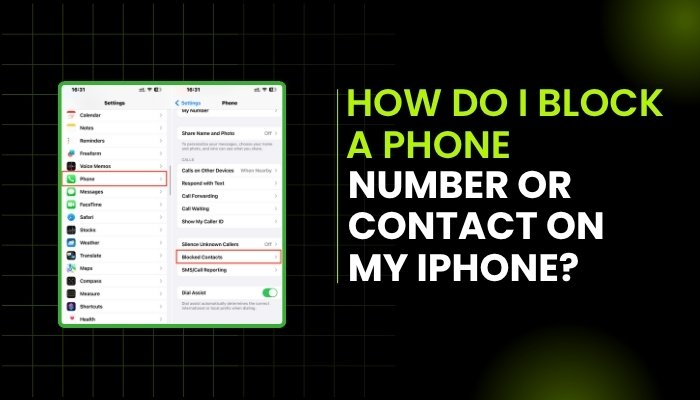
- Go to Settings > Battery > Battery Health & Charging
- Look for Maximum Capacity
⚠️ If your battery health is under 80%, Apple may recommend a replacement.
iOS Warning Messages
If your battery is severely degraded, you’ll see alerts such as:
“Your battery’s health is significantly degraded.”
“iPhone performance management has been applied.”
These messages appear on the Battery Health & Charging page and signal it’s time for a new battery.
Overheating During Normal Use
All phones get warm during charging or heavy use. But if your iPhone gets hot during normal browsing, texting, or idle, the battery may be deteriorating or swelling—both require immediate attention.
Charging Irregularities
Degraded batteries may:
- Take much longer to charge
- Stop charging at random percentages
- Never reach 100%
- Discharge rapidly even when plugged in
Swollen Battery or Bulging Screen
If your iPhone screen appears raised or separated from the body, it could be due to a swollen battery—a serious safety hazard. Stop using the device immediately and visit an Apple service provider.
🔋 How to Check iPhone Battery Health in Settings
To see your battery’s status:
- Open Settings
- Tap Battery
- Tap Battery Health & Charging
You’ll see:
- Maximum Capacity (%) – Current battery capacity compared to when new.
- Peak Performance Capability – Whether your phone supports normal performance.
- Performance Management – If it’s applied to prevent shutdowns.
✅ A healthy battery should have 85%–100% capacity and no performance management applied.
🧪 What’s a Normal Battery Lifespan?
Apple batteries are designed to retain up to 80% capacity after 500 full charge cycles, which typically equates to:
- 18–24 months of daily usage
- Shorter if you frequently charge to 100% or allow it to drain to 0%
- Longer if you follow best practices like keeping it between 20–80%
🔧 When Should You Replace the Battery?
Replace your battery if:
- Battery Health is below 80%
- You experience frequent shutdowns or crashes
- The battery no longer lasts a full day
- Your iPhone is slowing down despite software updates
- You receive a “Service Recommended” message in Battery Settings
💰 Battery Replacement Options
Apple Service:
- Apple offers battery replacement for most models, with pricing depending on the device.
- Covered under AppleCare+ or warranty if within 1 year.
Authorized Service Providers:
- Get your battery replaced safely with genuine Apple parts.
Third-Party Repairs:
- Cheaper, but may void warranty or affect water resistance.
- Always verify the quality and safety of parts used.
🛡 Tips to Extend Battery Life
- Enable Optimized Battery Charging
Settings > Battery > Battery Health & Charging - Avoid full discharges (0%) and keeping at 100% too long
- Keep the iPhone cool
Avoid direct sunlight and hot cars. - Use certified chargers
Apple or MFi-certified cables prevent damage. - Avoid intense usage during charging
✅ Summary: Know When to Replace Your iPhone Battery
Battery health affects everything—from performance to usability. If your iPhone is sluggish, shuts down unexpectedly, or battery health dips below 80%, it’s time to consider a replacement.
Battery Replacement Checklist:
| Sign | Action |
| Battery Health < 80% | Replace recommended |
| Phone shuts down randomly | Likely due to battery strain |
| Charging is slow or unstable | Battery may be worn |
| Performance throttled by iOS | Battery can’t support peak performance |
| Battery swelling or overheating | Immediate service needed |
Meta Description:
Wondering if your iPhone battery needs replacing? Learn how to check battery health, spot warning signs, and know when it’s time for a new battery to keep your iPhone running smoothly.