
With the introduction of fast charging in recent iPhone models, users can power up their devices from 0% to 50% in around 30 minutes using a compatible charger. While this feature offers incredible convenience, it raises a common concern: Is fast charging harmful to my iPhone’s battery in the long run?
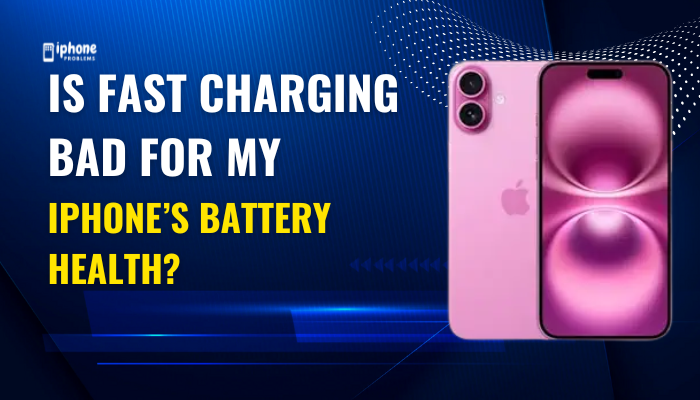
The short answer is: No, fast charging is not inherently bad for your iPhone’s battery—as long as you use Apple-approved hardware and follow smart charging practices. That said, frequent fast charging can generate more heat, which over time may impact battery health if not managed properly.
This article explains how fast charging works on iPhones, whether it affects battery lifespan, and what you can do to protect your battery while enjoying faster power-ups.
What Is Fast Charging?
Fast charging uses a higher power output to charge the battery more quickly than standard 5W or 10W chargers.
Apple’s Fast Charging Specs:
- Available on iPhones starting with iPhone 8 and newer.
- Requires a USB-C to Lightning cable and a 20W or higher USB-C power adapter.
- Can charge your iPhone to 50% in about 30 minutes and up to 80% in around 1 hour.
The speed slows after 80% to prevent overheating and preserve battery longevity.
How iPhone Batteries Handle Fast Charging
Apple uses advanced charging algorithms, power management ICs, and temperature sensors to ensure safe and efficient charging. These systems automatically:
- Reduce charging speed as the battery fills
- Monitor and limit heat buildup
- Optimize charging flow to reduce stress on battery cells
So, fast charging is designed to be safe—Apple wouldn’t enable it if it posed a significant risk to battery life.
Does Fast Charging Degrade Battery Health Faster?
All lithium-ion batteries degrade over time, regardless of how they are charged. The main factors that influence battery wear include:
- Number of charge cycles (Apple estimates 80% capacity after ~500 cycles)
- Heat exposure (especially during charging)
- Keeping the battery at extreme high/low states of charge (0% or 100%)
Fast Charging Considerations:
- Yes, it produces more heat than standard charging.
- No, Apple devices are engineered to manage this heat effectively.
- When used occasionally, fast charging has minimal effect on battery health.
- If used excessively in hot conditions, it can accelerate wear over time.
Key point: It’s not the faster power delivery that damages the battery—it’s heat, which can result from fast charging under poor environmental conditions.
Tips to Minimize Battery Wear During Fast Charging
To get the benefits of fast charging without compromising battery health, follow these tips:
✅ Use Original or MFi-Certified Accessories
- Only use Apple-certified USB-C to Lightning cables and 20W or higher USB-C adapters.
- Avoid cheap third-party chargers that don’t regulate power or heat properly.
✅ Charge in a Cool Environment
- Don’t charge in direct sunlight or hot rooms.
- Avoid charging under pillows, blankets, or while gaming.
- Heat is the biggest contributor to battery aging during charging.
✅ Don’t Always Charge to 100%
- Charging up to 80–90% is gentler on the battery than going to 100% every time.
- iOS includes Optimized Battery Charging, which slows charging above 80% during overnight routines.Enable it at:
Settings > Battery > Battery Health & Charging > Optimized Battery Charging
✅ Alternate Between Fast and Standard Charging
- Use fast charging when needed (e.g., mornings or travel).
- Use slower 5W or 10W chargers when you have time (e.g., overnight).
- This reduces cumulative heat exposure over time.
What Apple Says About Fast Charging
Apple fully supports fast charging on iPhones and designs its devices to protect battery health while charging at higher speeds. In fact, Apple sells its own 20W USB-C power adapter, and new iPhones come with fast-charging support built in.
From Apple’s official documentation:
“iPhone uses fast charging to quickly charge up to 50% battery, and then switches to a slower rate to reduce wear and heat on the battery.”
This intelligent management minimizes risks associated with fast charging.
Should You Avoid Fast Charging Altogether?
Absolutely not. Fast charging is safe and incredibly useful—especially when you’re in a rush or have limited charging time.
However, if battery longevity is a top priority, use it strategically, and follow the best practices outlined above.
Summary
Fast charging is not bad for your iPhone’s battery if used correctly. Apple’s built-in safeguards prevent overcharging and manage heat effectively. While fast charging does generate more heat than standard charging, it’s designed to be safe under normal conditions.
To get the most out of fast charging without compromising battery health:
- ✅ Use certified chargers and cables
- ✅ Charge in cool environments
- ✅ Enable Optimized Battery Charging
- ✅ Avoid high battery temperatures
- ✅ Don’t rely on fast charging 100% of the time
By following these tips, you can enjoy fast charging while preserving your iPhone battery’s long-term health and capacity.
Meta Description:
Is fast charging bad for your iPhone battery? Learn how fast charging works, whether it shortens battery life, and how to safely use it without harming battery health.