
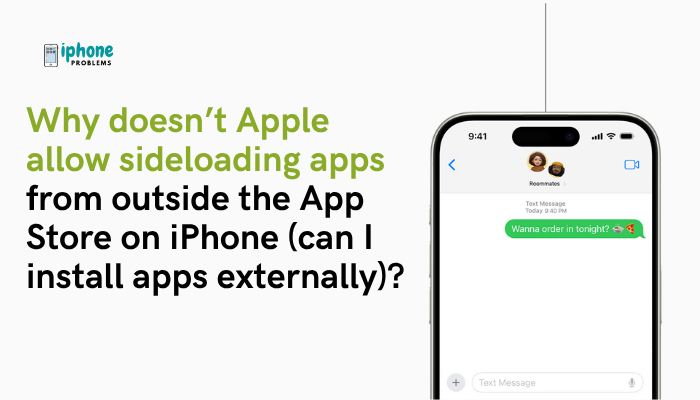
Many iPhone users wonder why they can’t freely install apps from outside the App Store, unlike Android users who can easily sideload APK files. Apple has intentionally designed iOS to be a closed ecosystem, meaning apps can only be installed through the App Store (with few exceptions). This restriction raises questions about user freedom, security, and app availability.
In this article, we’ll explore why Apple doesn’t allow sideloading by default, the risks and benefits involved, the exceptions to the rule, and whether you can install apps externally in any form.
What Is Sideloading?
Sideloading refers to installing apps directly onto your device from sources outside the official App Store—for example, downloading an app from a website or using a third-party installer. Android supports this natively, but Apple restricts it.
Why Apple Doesn’t Allow Sideloading on iPhones
Security and Privacy Protection
Apple’s primary justification is security. Allowing only App Store apps helps Apple:
- Review every app before it’s published.
- Enforce privacy standards and data protection rules.
- Prevent malware, spyware, and phishing apps.
This control has led to iPhones being generally less prone to malware compared to Android devices.
Curated App Experience
The App Store offers a quality-controlled experience:
- Developers must meet Apple’s guidelines.
- Apps must perform well and use approved APIs.
- Inappropriate or harmful content is filtered out.
Apple argues this ensures users get high-quality, safe apps with fewer crashes or abuses.
Protecting Business Interests
Apple collects commissions (15–30%) from in-app purchases and paid apps via the App Store. Allowing sideloading could:
- Cut off this revenue stream.
- Encourage apps to bypass Apple’s payment system.
- Undermine the financial model that supports App Store moderation.
Preventing App Piracy
Without sideloading restrictions, pirated apps could flourish. Apple uses digital signatures to validate apps. Removing these controls would make it easier to install unauthorized or cracked apps, impacting developers.
Are There Any Exceptions?
Yes, Apple does allow sideloading under specific conditions—mainly for developers or enterprise users:
✅ Using Xcode (for Developers)
Developers can use Xcode to install their own apps on an iPhone:
- Requires a Mac and an Apple Developer Account (free or paid).
- Only works for personal or test use.
- Apps are signed and valid for 7 days (free account) or 1 year (paid).
✅ Enterprise Distribution
Businesses can distribute internal apps without the App Store using an Apple Enterprise Program account.
- Intended for employees only.
- Apps are signed and managed by the company.
- Misuse can result in certificate revocation by Apple.
✅ TestFlight
TestFlight is Apple’s official beta testing platform:
- Developers invite users to test apps before public release.
- Limited to 90 days and 10,000 testers per app.
What About Jailbreaking?
Jailbreaking is a process that removes Apple’s software restrictions, allowing full access to the device system and enabling sideloading of any app.
However, jailbreaking comes with major risks:
- Security vulnerabilities and malware exposure.
- Loss of warranty and Apple Support.
- Incompatibility with future iOS updates.
- App instability and crashes.
Because of these risks, jailbreaking is not recommended for most users.
Can Sideloading Ever Be Enabled on iPhones?
This is a topic of global debate.
EU’s Digital Markets Act (DMA)
In 2024, under pressure from the European Union, Apple announced changes that allow sideloading in EU regions under strict regulations.
- Users in the EU can install apps from approved third-party marketplaces.
- Developers can opt out of using Apple’s payment system (with limitations).
- Apple still implements security checks and fees for compliance.
Outside the EU, Apple has not extended this functionality—meaning sideloading remains restricted.
Pros and Cons of Allowing Sideloading
| Pros | Cons |
| Greater user freedom | Increased risk of malware |
| Access to apps not approved by Apple | Privacy violations or unauthorized data access |
| Avoid App Store fees | Lack of quality control |
| Useful for developers and advanced users | Potential app piracy and legal issues |
Summary
Apple does not allow sideloading apps on iPhones by default due to:
- Security and privacy concerns
- App quality assurance
- Protection against malware and piracy
- Business and platform integrity
However, sideloading is possible through Xcode, TestFlight, or enterprise accounts—but only within Apple’s strict framework. While legal sideloading is gradually becoming available in regions like the EU, it’s still not accessible to most users worldwide.
If you’re seeking to install an app outside the App Store, consider whether it’s available via TestFlight, or contact the developer directly.
Meta Description:
Learn why Apple restricts sideloading on iPhones, what options exist for installing apps externally, and how developers or enterprise users can use Xcode or TestFlight to sideload apps securely.